 Save
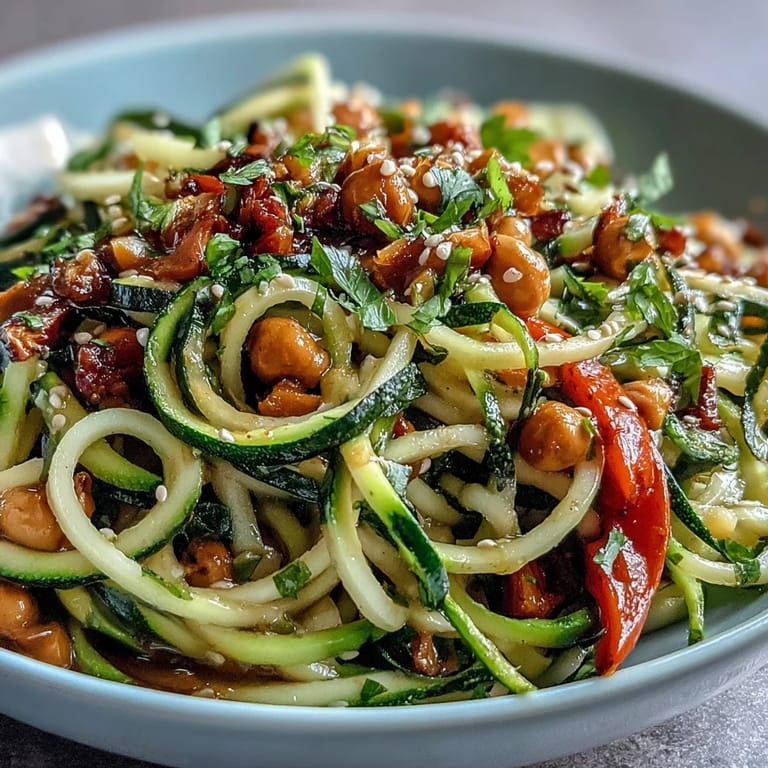
Save Last Tuesday, my friend texted asking if I could whip up something healthy for lunch, and I found myself staring at a pile of zucchinis I'd bought with good intentions. Instead of the usual pasta guilt spiral, I grabbed my spiralizer and thought, why not something bright and satisfying that won't leave me sluggish by three o'clock? Twenty-five minutes later, we were both surprised at how a simple stir-fry could taste this creamy and fun without any of the heaviness. That's when this zucchini noodle dish became my go-to answer when I want something that feels indulgent but actually nourishes.
I made this for a dinner party once, nervous that serving zucchini noodles instead of pasta would feel weird, but watching everyone scoop up seconds while chatting and laughing told me something important about food. It's never about what's on the plate technically—it's about whether it tastes good and makes people feel cared for. That night, the creamy peanut sauce coating those tender vegetables became proof that eating well doesn't have to mean eating boring.
Ingredients
- Zucchini (4 medium, spiralized): The backbone of the dish—spiralizing them creates that satisfying noodle texture, and prepping them last minute keeps them from getting watery and sad.
- Red bell pepper (1 large, thinly sliced): Brings sweetness and crunch that balances the savory sauce, plus it's honestly just pretty to look at.
- Carrot (1 large, julienned): Spiralized or cut into matchsticks, it adds natural sweetness and stays pleasantly firm if you don't overthink the cooking.
- Snap peas (1 cup, halved): These little guys stay crisp no matter what and add a fresh pop that makes the whole thing feel alive.
- Green onions (2, thinly sliced): The finishing touch that brings brightness—save some for garnish to feel fancy without effort.
- Fresh cilantro (2 tablespoons, optional): If you love it, it's essential; if you're a soap-gene person, skip it without guilt.
- Natural peanut butter (1/3 cup): The creamy heart of the sauce—using natural butter without all the additives actually tastes cleaner and somehow more luxurious.
- Soy sauce or tamari (2 tablespoons, low-sodium): Tamari is your friend if you're gluten-free, and it adds that salty depth that makes everything taste intentional.
- Rice vinegar (1 tablespoon): The secret weapon that keeps the sauce from being one-note, adding a gentle tang that wakes up your palate.
- Lime juice (about 1/2 lime): Fresh lime changes everything—bottled just doesn't have the same brightness.
- Maple syrup or honey (1 tablespoon): A touch of sweetness that rounds out the flavors and helps the sauce emulsify beautifully.
- Toasted sesame oil (2 teaspoons): Use the toasted kind for that gorgeous nutty flavor that regular sesame oil just can't match.
- Garlic (2 cloves, minced) and ginger (1 teaspoon, grated): These two create an aromatic foundation that makes the whole kitchen smell like intentional cooking.
- Warm water (2-4 tablespoons): The patience piece—add it slowly until your sauce reaches that perfect pourable consistency.
- Crushed red pepper flakes (1/2 teaspoon, optional): For heat lovers only, and even then, start small because it builds.
- Roasted peanuts (2 tablespoons, chopped) for garnish: The textural finisher that makes people think you fussed over this when you really didn't.
Tired of Takeout? 🥡
Get 10 meals you can make faster than delivery arrives. Seriously.
One email. No spam. Unsubscribe anytime.
Instructions
- Prep everything first:
- Spiralize your zucchini and carrot, slice your peppers and peas, mince your garlic, and grate your ginger while everything is fresh. Trust me, having everything ready makes the cooking part feel effortless instead of chaotic.
- Build the peanut sauce:
- In a bowl, whisk together peanut butter, soy sauce, rice vinegar, lime juice, maple syrup, sesame oil, garlic, and ginger until it's fragrant and starting to come together. Slowly add warm water, a tablespoon at a time, whisking until the sauce flows smoothly but still clings to whatever it touches—not too thick, not too thin.
- Get your pan singing:
- Heat a large skillet or wok over medium-high heat until it's honestly hot, then add just a splash of sesame oil if you're feeling it. That sizzle when you toss in the first vegetables is the sound of something good about to happen.
- Cook the heartier vegetables:
- Toss in the bell pepper, carrot, and snap peas, stirring constantly for two to three minutes until they're tender but still snap back a little when you taste one. You want them cooked but not defeated.
- Add the zucchini noodles:
- Gently fold in the spiralized zucchini and toss everything for two to three minutes—this is where restraint matters because overcooked zucchini noodles get weepy and disappointed. Just heat them through and move on.
- Sauce and finish:
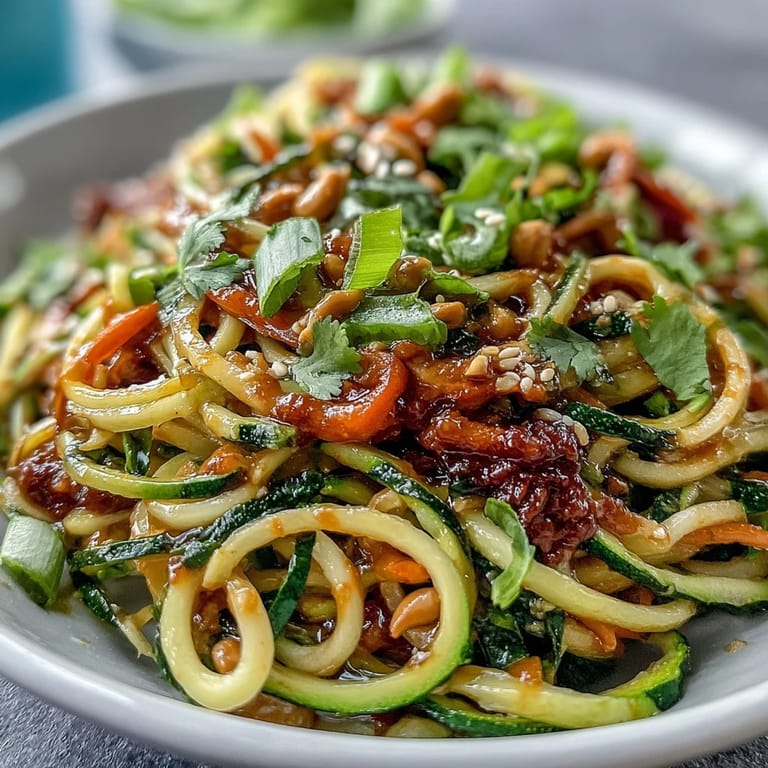
- Pour the peanut sauce over everything and toss for another minute or two, letting the heat bring all the flavors into one unified, creamy coating. The kitchen will smell amazing, and that's your signal it's ready.
- Plate and garnish:
- Divide among bowls or plates immediately and top with chopped peanuts, green onions, and cilantro if you're using it. Eat while everything is still warm and the zucchini hasn't started releasing its water.
 Save
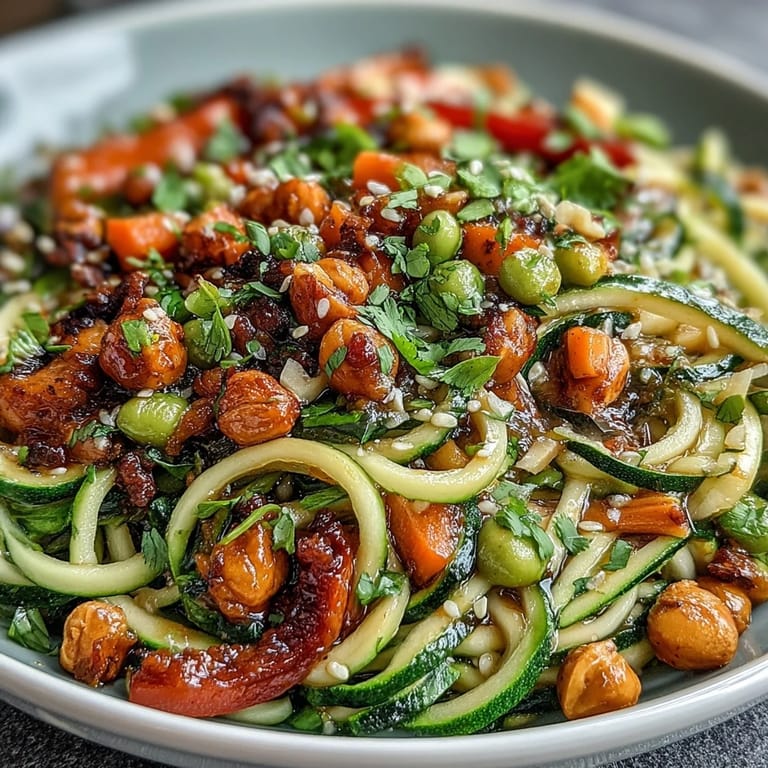
Save There's a moment when you plate this and the sauce clings to those vegetables in this glossy, perfect way that makes you realize you can eat deliciously without drama or guilt. My mom tried it once and asked if I was becoming one of those health people, and I told her no—I'm just someone who figured out that good food doesn't have to be complicated to feel special.
Making It Your Own
The beauty of this recipe is that it's essentially a template for whatever vegetables are hanging around in your crisper drawer. I've made it with broccoli when I had it, thrown in mushrooms when I felt fancy, and once added some thinly sliced cabbage because I was out of peas and honestly it worked beautifully. The sauce is so adaptable that you can swap peanut butter for almond butter, tahini, or even sunflower seed butter if you need to avoid peanuts or just want something different.
Protein Additions That Actually Work
On its own, this dish is a solid vegetarian main, but if you want it to feel more substantial, there are several directions you can go without overthinking it. Grilled tofu absorbs the sauce beautifully and turns chewy in a way that works, while cooked shrimp adds this delicate sweetness that feels almost fancy. I've also batch-cooked chicken breast on Sunday and chopped some into this throughout the week, which turned it into my easiest lunch solution.
Storage and Make-Ahead Wisdom
Here's the honest thing about zucchini noodles—they're best served fresh because they don't keep their texture once they've mingled with sauce and time. You can absolutely prep all your vegetables ahead and make the sauce the day before, which gets you most of the way there, and then the actual cooking becomes a five-minute situation. Leftovers keep for a couple of days in the fridge, though they get softer, but if you reheat them gently in a pan instead of the microwave, they're still perfectly edible and tasty, just a different texture.
- Make the peanut sauce up to three days ahead and store it covered in the fridge—the flavors actually deepen.
- Prep vegetables the morning of but keep zucchini in a separate container so you can spiral it right before cooking.
- If you have leftovers, eat them cold the next day like a salad—honestly pretty good that way.
 Save
Save This recipe became my favorite because it proves that eating well doesn't require sacrificing flavor or spending hours in the kitchen. Make it tonight and see if it doesn't become your new easiest answer to the question of what's for dinner.
Recipe FAQs
- → How do I spiralize zucchini properly?
Use a spiralizer or julienne peeler to create long, noodle-like strands. Ensure zucchinis are firm and fresh for best results.
- → Can I substitute the peanut butter?
Yes, almond or cashew butter work well as alternatives, adjusting flavor and consistency accordingly.
- → How to prevent soggy zucchini noodles?
Cook zucchini noodles briefly and avoid overcooking to maintain their texture and prevent excess water release.
- → What protein additions pair well with this dish?
Grilled tofu, chicken, or shrimp complement the flavors and add protein for a more filling meal.
- → Is the sauce gluten-free?
Using tamari instead of soy sauce keeps this sauce gluten-free without sacrificing flavor.