 Save
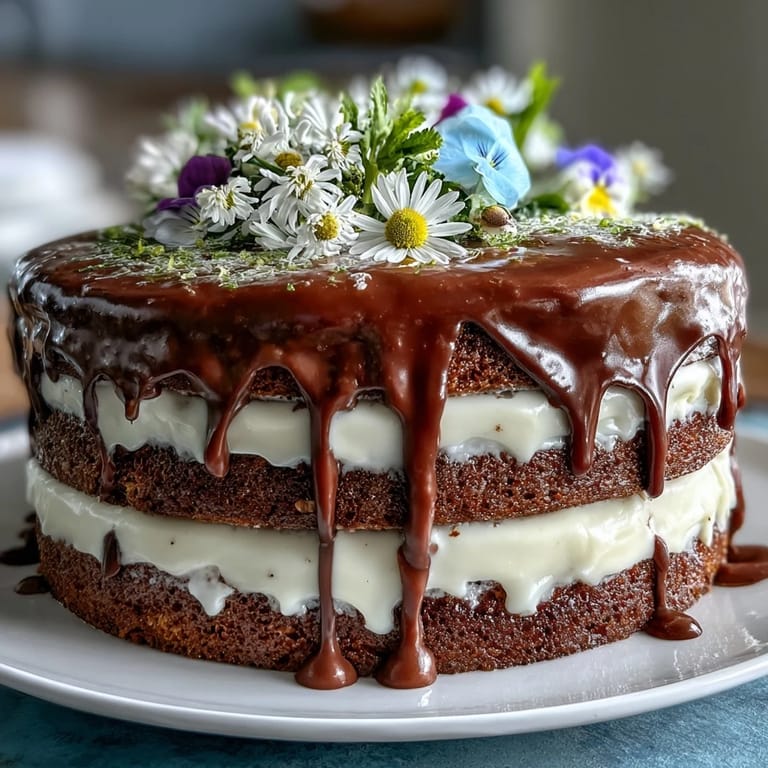
Save Last spring, I watched my neighbor arrange edible flowers on her balcony while humming a tune I couldn't quite place, and it struck me that baking should feel that effortless and joyful. That afternoon, I decided to create a cake worthy of those blossoms—something bright, lemony, and dressed up enough to make anyone smile. The vanilla sponge came together quickly, the lemon frosting tasted like bottled sunshine, and when I drizzled that white chocolate down the sides, the whole thing transformed into something that looked like it belonged in a garden. Spring had finally arrived in my kitchen, and this cake was the celebration it deserved.
I brought this cake to a friend's spring brunch last year, and the moment the afternoon light hit those candied violets, someone gasped—actually gasped—before anyone even tasted it. By the end of dessert, three people were asking for the recipe, and my friend kept saying she'd never seen me make anything so elegant. What they didn't know was that I'd burned the first batch of ganache and had to start over, but somehow that mistake taught me to let things cool properly, which made the second batch absolutely perfect.
Ingredients
- All-purpose flour: Two and a half cups creates a tender crumb that won't feel heavy or dense, which is the whole point of a spring cake.
- Unsalted butter: Both in the cake and frosting, it lets the lemon flavor shine without competing voices.
- Granulated and powdered sugar: Use the granulated for the batter and sifted powdered sugar for frosting to avoid any grainy texture.
- Room temperature eggs: This matters more than you'd think—cold eggs won't incorporate properly and you'll end up with a slightly separated batter.
- Fresh lemon juice and zest: Store-bought concentrate tastes flattened in comparison, so squeeze real lemons if you can find them.
- White chocolate chips: Choose a quality brand or chop a bar yourself because the cheap stuff seizes up when you heat it.
- Edible flowers: Source these from a specialty food supplier or a farmers market, never the regular grocery store florist section.
Tired of Takeout? 🥡
Get 10 meals you can make faster than delivery arrives. Seriously.
One email. No spam. Unsubscribe anytime.
Instructions
- Set up your workspace:
- Preheat your oven and grease those three cake pans generously, then line them with parchment—it's the difference between a cake that slides out clean and one you have to coax out in pieces. Label the pans so you remember which one bakes where, since ovens have hot spots.
- Build the dry ingredients:
- Whisk flour, baking powder, and salt together in a medium bowl, making sure everything is evenly distributed. This step takes sixty seconds but prevents lumps in your final batter.
- Cream your butter and sugar:
- Beat them together until the mixture looks pale and fluffy, like clouds that smell like vanilla. This usually takes about three to four minutes with an electric mixer, and you'll know you're done when you can't see sugar crystals anymore.
- Add eggs one at a time:
- Drop each egg in, beat well, then pause and admire how the mixture comes together before moving to the next one. Rushing this step means your batter might look curdled, and while it'll still bake, you'll have wasted the confidence boost.
- Alternate dry and wet ingredients:
- Start with flour, then milk, then flour again, mixing just until you see no streaks of white. Over-mixing at this stage is how you end up with a tough cake that feels like crumb rubber instead of spring air.
- Divide and bake:
- Spoon batter evenly among your three pans, smooth the tops with a spatula, then slide them into the oven where they'll bake for twenty-five to thirty minutes. They're done when a toothpick comes out clean and the tops are pale golden, not deep brown.
- Cool with patience:
- Let the cakes rest in their pans for ten minutes—this is when the structure sets just enough to handle—then turn them out onto wire racks. This waiting period feels eternal when you're excited but it saves you from demolishing a warm cake.
- Make the frosting:
- Beat butter until it's soft and creamy, then gradually add sifted powdered sugar while beating so the mixture stays light. Once it looks like clouds again, add lemon juice, zest, and just enough milk to make it spreadable but not runny.
- Stack and frost:
- Level your cake layers if they've domed, then place one on your serving plate and spread frosting thickly on top. Continue with the second and third layers, then frost the outside like you're painting a canvas, using smooth, confident strokes.
- Create the white chocolate drip:
- Heat cream just until you see wisps of steam, pour it over white chocolate, let it sit for two minutes while the chocolate softens, then stir until silky. Add food coloring if you want pastels, then let it cool for a few minutes until it thickens just enough to drip slowly rather than pour.
- Apply the ganache:
- Using a spoon or squeeze bottle, let the white chocolate run down the cake's edges, then spread the rest across the top in a soft, organic swirl. This is where it stops looking like a regular cake and starts looking like something from a magazine.
- Finish with flowers:
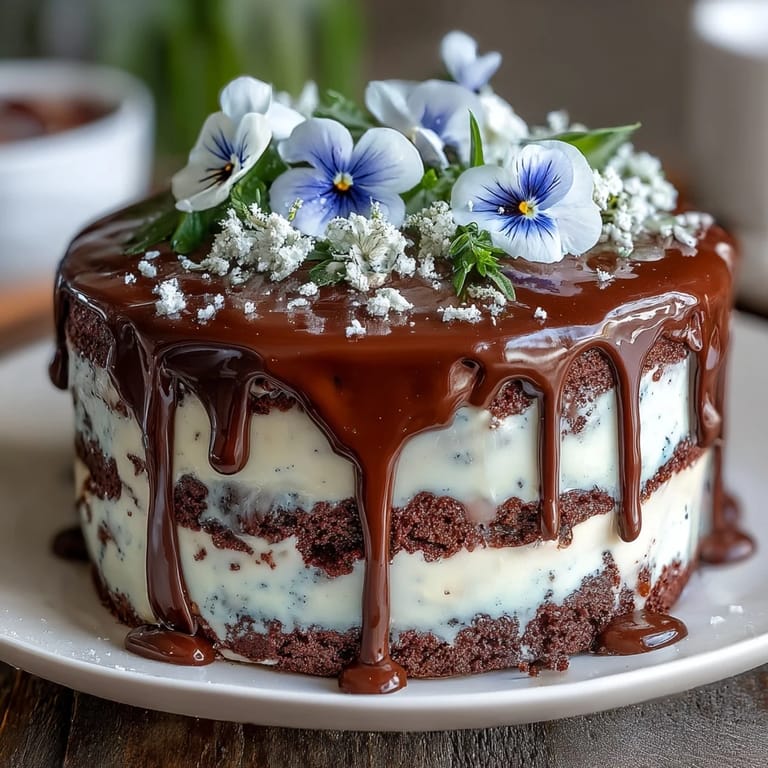
- Scatter your edible flowers across the top, add lemon zest if you like, and step back to admire what you've created. This cake is now ready to be the star of any gathering.
 Save
Save There's a moment when you're spreading that final swoosh of frosting and the afternoon light catches the cake just right, and you realize you've made something beautiful enough to be a memory. That's what this cake does—it stops being about technique and becomes about the feeling of creating something that makes people happy.
The Lemon Frosting Secret
The magic in this frosting isn't just the lemon juice, it's the balance between that tartness and the sweetness of powdered sugar. I learned this by accident when I used too much lemon once and the frosting tasted like I'd leveled a tree in someone's mouth, so now I add it slowly, tasting as I go. That restraint, that willingness to stop before it's too much, is what transforms a frosting into something people actually want to eat multiple forkfuls of.
Choosing Edible Flowers That Actually Taste Good
Not all edible flowers taste the same, and some taste like you're eating scented paper, which isn't the vibe you want on a cake this pretty. Violets have a subtle perfume flavor, pansies taste almost like nothing which is sometimes perfect, and rose petals can be either elegant or overwhelming depending on the variety. I always buy from someone who grows them intentionally for eating rather than just assuming that anything labeled edible will be delicious.
Storage and Serving for Maximum Impact
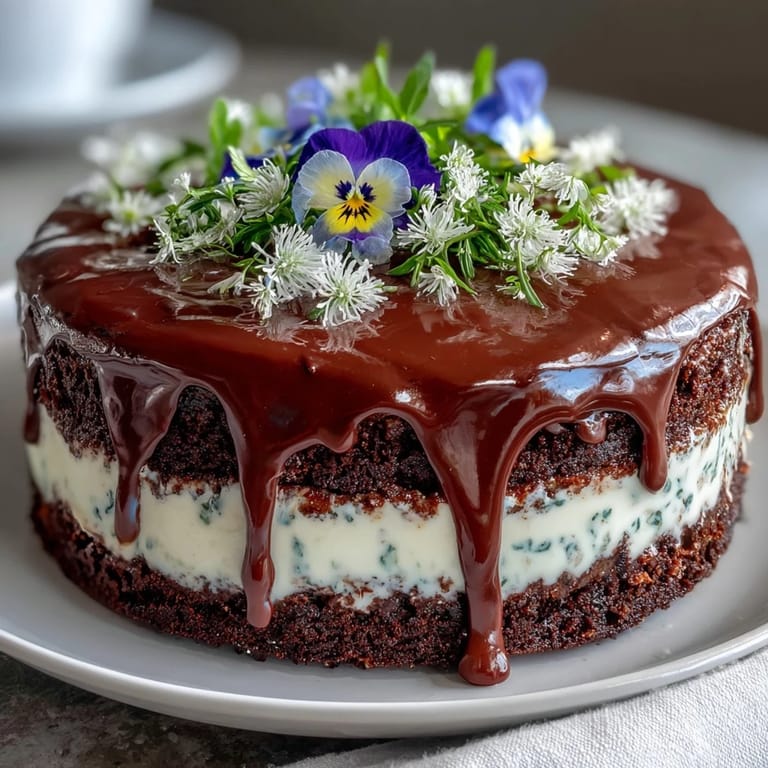
This cake actually improves slightly if you make it a day ahead and refrigerate it, because the flavors meld and the frosting sets into a stable base that holds its shape beautifully. Always bring it to room temperature for about an hour before serving so the lemon frosting isn't rock-hard and the cake itself tastes tender instead of cold and dense. If you need to transport it, a cake box with a non-slip mat inside keeps everything stable, and you can add the flowers right before serving if you're worried about them wilting during a journey.
- Keep the cake refrigerated in an airtight container for up to three days, and it'll taste fresher than you'd expect.
- Pair it with sparkling wine, champagne, or a strong Earl Grey tea that can stand up to the lemon without disappearing.
- If you make a gluten-free version, use a one-to-one gluten-free flour blend and watch the baking time carefully since some blends bake faster.
 Save
Save This cake is the kind of dessert that reminds you why you started baking in the first place—it's technically interesting enough to feel accomplished but approachable enough that anyone brave enough to try it will succeed. Make it for someone you want to impress, or make it for yourself on a random Tuesday because spring deserves to be celebrated even in the kitchen.
Recipe FAQs
- → What type of flowers are safe for decorating?
Use edible flowers like violets, pansies, or rose petals that are pesticide-free and food-safe for decoration.
- → How is the white chocolate drip made smooth?
Heat heavy cream until just simmering and pour over chopped white chocolate. Let sit before stirring until smooth and pourable.
- → Can this cake be made gluten-free?
Yes, substitute the all-purpose flour with a 1:1 gluten-free flour blend for a gluten-free version.
- → How should leftovers be stored?
Store the cake in the refrigerator for up to 3 days and bring to room temperature before serving.
- → What beverages pair well with this cake?
Sparkling wine or Earl Grey tea complement the cake's citrus and floral notes beautifully.
- → How do you keep the frosting smooth and spreadable?
Adjust the lemon frosting with milk gradually while beating to reach a creamy, spreadable consistency.