 Save
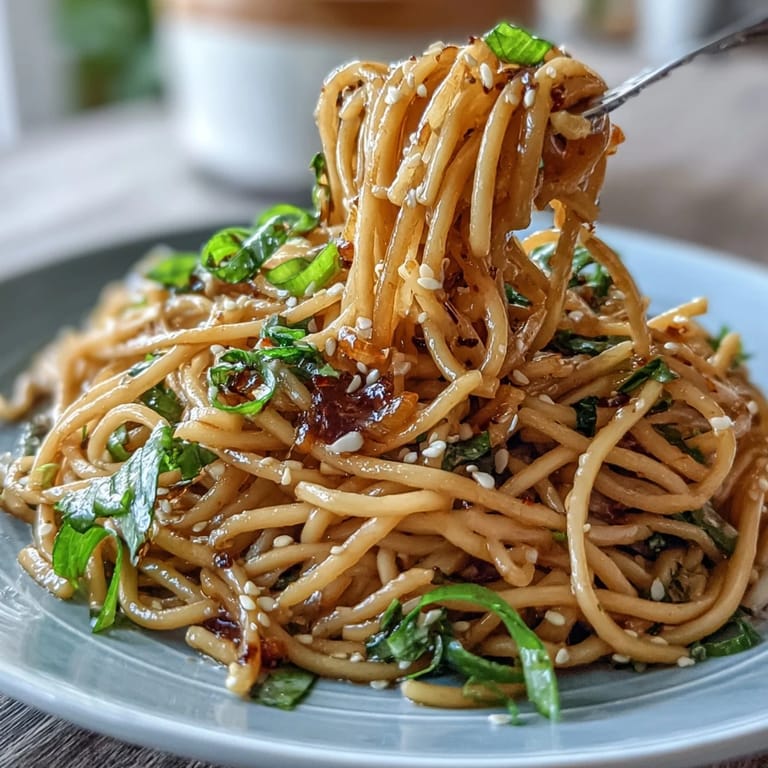
Save My neighbor handed me a takeout container one evening, steam still rising from the lid, and said, "Try this—I made it at home." What I tasted was nothing short of restaurant magic: silky noodles clinging to themselves in a glossy coat of ginger and soy, each bite hitting you with warmth and umami before any sweetness arrived. I pestered her for the method until she finally laughed and just showed me, right there in her kitchen, how something so seemingly complex could be ready in half an hour. This is that dish, now my weeknight salvation.
I made this for my sister when she was going through a rough week, and watching her face shift from tired to genuinely happy as she twirled those noodles around her fork reminded me why I cook at all. She asked for seconds before finishing her first bowl, then texted me the next morning saying she'd already made it again herself. That's when I knew this recipe had won.
Ingredients
- Wheat noodles (350 g): Lo mein works beautifully, but ramen or even spaghetti will do the job—just aim for something that holds onto sauce rather than slips off it.
- Neutral oil (4 tbsp): Canola or grapeseed keeps the focus on the aromatics without competing flavors; don't skip the measured amount or your sauce will taste thin.
- Scallions (4, plus extra for garnish): The white and green parts serve different purposes—whites go in early for flavor depth, greens finish raw for brightness.
- Fresh ginger (2 tbsp minced): This is not the time to be shy; ginger is what makes this dish unmistakably itself, so mince it fine and use the full amount.
- Garlic cloves (2, minced): Two cloves feels right—more and it overshadows the ginger, less and you lose that savory backbone.
- Red chili (1 small, optional): I skip it sometimes and the dish is still complete, but when I include it, there's an extra dimension that makes you notice.
- Soy sauce (4 tbsp): Regular soy sauce carries the umami load; resist the urge to use less thinking it might be too salty—trust the balance.
- Dark soy sauce (1 tbsp, optional): If you have it, add it for a deeper color and slightly roasted undertone; if not, don't hunt for it.
- Oyster sauce (1 tbsp): This adds savory sweetness that soy sauce alone can't quite achieve; vegan versions work equally well.
- Brown sugar (1 tbsp): Just enough to round out the sharp edges without making anything taste dessert-like.
- Rice vinegar (1 tbsp): The acid that keeps everything tasting bright and prevents the glaze from feeling heavy.
- Toasted sesame oil (1 tsp): A small amount goes a long way—this is potent, aromatic stuff that finishes the glaze with sophistication.
- Water (2 tbsp): Thins the glaze to the right consistency for coating rather than pooling.
- Toasted sesame seeds and cilantro (for garnish): These aren't decorative afterthoughts; they add texture and freshness that make each spoonful feel intentional.
Tired of Takeout? 🥡
Get 10 meals you can make faster than delivery arrives. Seriously.
One email. No spam. Unsubscribe anytime.
Instructions
- Get your noodles ready:
- Boil water in a large pot, add noodles, and cook them just until they bend easily without snapping but still have a slight resistance when you bite them. Drain and give them a quick rinse under cool water—this stops the cooking and keeps them from clumping together while you build the sauce.
- Mix the glaze in advance:
- While the noodles cook, whisk all your soy glaze ingredients together in a small bowl so they're waiting for you. This keeps the cooking momentum going and prevents scrambling when the pan gets hot.
- Toast the aromatics:
- Pour your neutral oil into a large skillet or wok over medium heat, then add the white scallion parts, minced ginger, minced garlic, and chili if you're using it. Let these cook for just a minute or so until the kitchen smells incredible—you want fragrant, not browned.
- Bring the noodles in:
- Toss your cooked noodles into the skillet with the aromatics and stir everything together so the noodles soak up those flavors. This is when the dish starts to feel real.
- Add the glaze and coat:
- Pour your mixed soy glaze over everything and toss constantly for 2 to 3 minutes, making sure every strand gets kissed by that glossy, aromatic sauce. You'll see the noodles darken slightly and start to glisten.
- Finish with green scallions:
- Remove the skillet from heat and scatter the green scallion parts over the top, then toss gently one more time so they soften slightly but don't lose their color and brightness.
- Plate and garnish:
- Divide the noodles among bowls or plates and top each serving with toasted sesame seeds, extra sliced scallion green, and cilantro if you have it. Serve right away while everything is still warm and the aromas are at their peak.
 Save
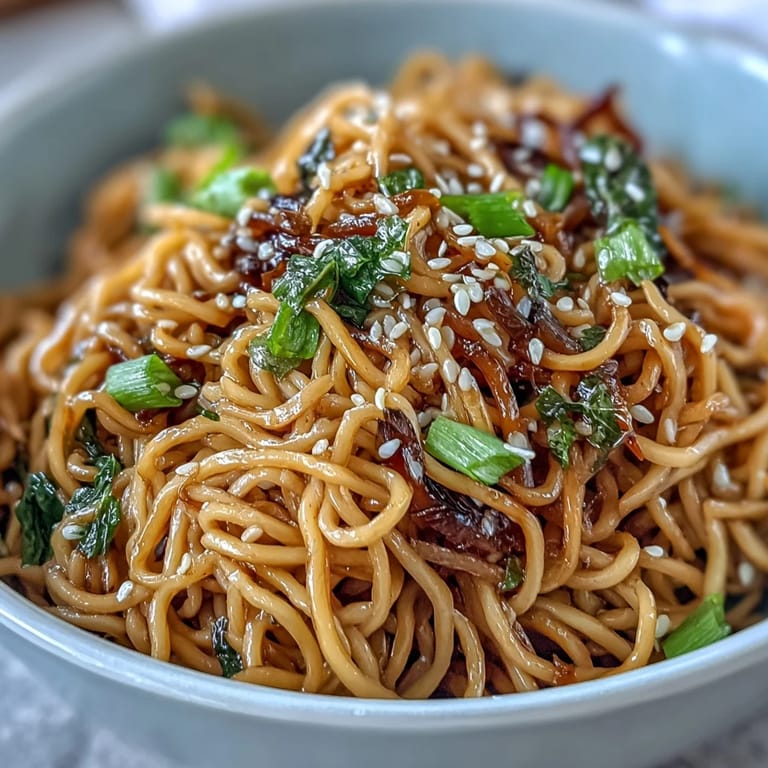
Save There's a moment right before you serve this when the noodles are glossy and fragrant and everything smells like a restaurant kitchen instead of your own, and that's when you realize how little it actually took to get here. That small shift from ordinary evening to something worth remarking on—that's what keeps me coming back to this recipe.
Why This Works So Well
The balance between salty, sweet, tangy, and aromatic is what makes this dish feel complete instead of one-note. The ginger and garlic provide warmth and depth that the noodles themselves don't have, while the soy glaze unites everything with umami. Rice vinegar keeps it from feeling heavy or cloying, and toasted sesame oil adds a finishing touch of sophistication that makes people ask questions. Even the texture works—tender noodles against crispy scallion greens and sesame seeds—so no two bites feel quite the same.
Customizing Your Bowl
The beauty of this recipe is that it's a foundation, not a rule. I've made it with crispy bok choy on the side, stirred in mushrooms while the aromatics cook, and even topped it with a fried egg when I wanted something more substantial. A handful of snap peas or shredded carrots add color and crunch without requiring extra cooking time. The sauce is forgiving enough that these additions feel natural rather than experimental, and each variation tastes like you meant to make it that way.
Serving Suggestions and Pairings
Serve this on its own and it's a complete meal, but I often find myself making a small side—pickled cucumbers cut through the richness beautifully, and a drizzle of chili oil adds heat for anyone who wants it. A cold glass of something crisp alongside rounds out the experience nicely. You could also make it part of a larger spread with other Asian dishes, where it sits comfortably next to dumplings or stir-fried vegetables without demanding attention.
- Pair with pickled vegetables for brightness and contrast.
- A light salad with sesame dressing makes an excellent cool companion.
- For heat lovers, chili oil is the finishing touch that transforms the dish.
 Save
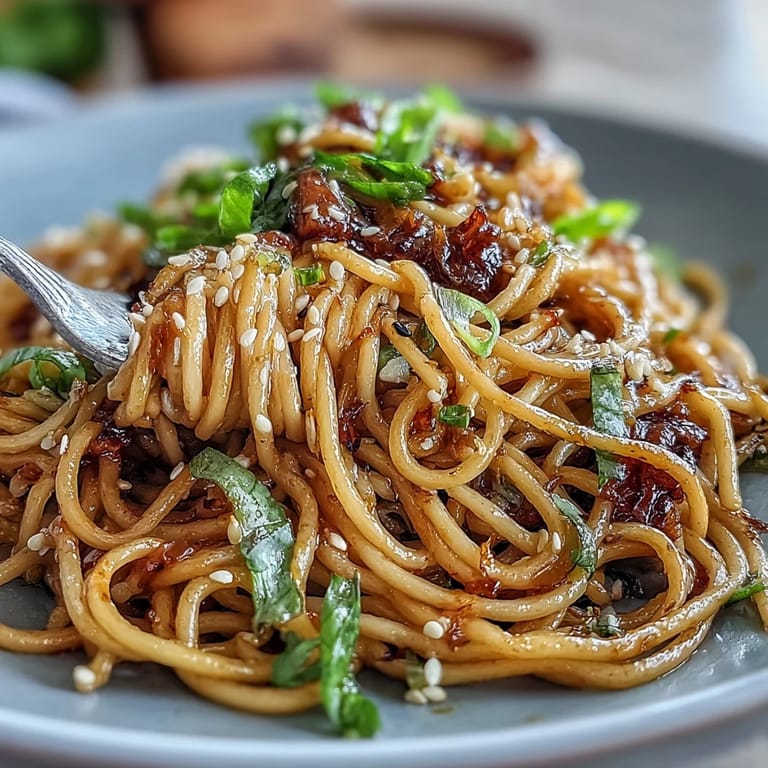
Save This is the kind of recipe that tastes like you've been cooking all afternoon when you've actually spent thirty minutes in the kitchen. That magic is worth repeating, and I promise you'll be making it again within a week.
Recipe FAQs
- → What type of noodles work best for this dish?
Wheat-based noodles such as lo mein, ramen, or even spaghetti provide the right texture to absorb the soy glaze while remaining tender.
- → Can this dish be made vegan?
Yes, by using vegan oyster sauce or replacing it with additional soy sauce, the dish maintains its savory flavor without animal products.
- → How can I adjust the heat level?
Incorporate thinly sliced red chili or a drizzle of chili oil to add mild to moderate spiciness according to preference.
- → What is the purpose of separating scallion whites and greens?
White parts soften and release aroma during cooking, while green parts add a fresh crunch and color when tossed in at the end.
- → Can I add vegetables for more variety?
Yes, sautéed mushrooms, shredded carrots, bok choy, or snap peas complement the flavors and add texture and nutrition.
- → How to prevent noodles from sticking after cooking?
Rinse cooked noodles briefly under cold water to stop cooking and reduce stickiness before tossing with other ingredients.