 Save
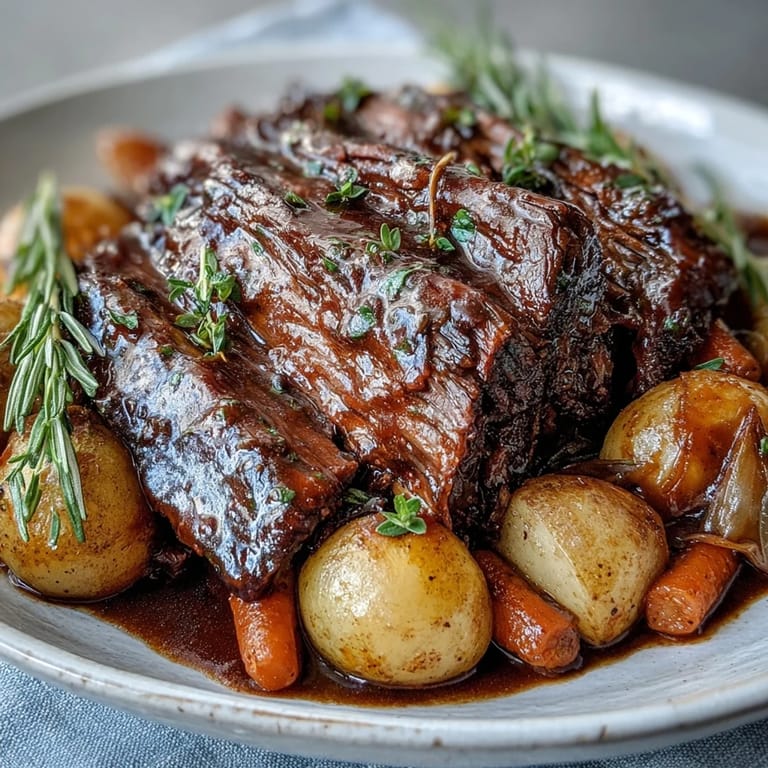
Save The smell of searing beef hitting a hot Dutch oven is one of those kitchen sounds that makes everyone in the house come asking whats for dinner. I learned to make pot roast during a particularly cold winter when I needed something that could feed a crowd without much fuss. The first time I made it, I underestimated how long it would take and we ate at nine PM, but nobody complained because the meat was so tender it fell apart with a fork. Now its my go-to for Sunday dinners and the kind of meal that makes the house smell like a hug. I always make extra because the leftovers are somehow even better the next day.
I remember making this for my in-laws the first time they visited, and I was so nervous Id mess it up. I kept checking the pot every twenty minutes until my husband told me to relax and let it do its thing. When I finally pulled the lid off after three hours, the beef was so tender it practically dissolved, and the carrots had turned sweet and glossy. My father-in-law went back for seconds and then asked for the recipe, which felt like the ultimate compliment. That night taught me that sometimes the best cooking happens when you stop fussing and just trust the process.
Ingredients
- Beef chuck roast: This cut has enough marbling to stay juicy during the long braise, and it becomes melt-in-your-mouth tender without drying out.
- Kosher salt and black pepper: Season generously before searing to build a flavorful crust that adds depth to the final sauce.
- All-purpose flour: A light dusting helps the beef brown beautifully and later thickens the braising liquid into a silky gravy.
- Olive oil and butter: The combination gives you a high smoke point for searing plus the rich, nutty flavor butter brings to the pan.
- Yellow onion: Cut into thick wedges so they hold their shape and turn sweet and caramelized as they simmer in the braising liquid.
- Garlic: Smash and peel the cloves so they release their flavor slowly without burning during the long cook.
- Carrots and celery: These classic pot roast vegetables add natural sweetness and a bit of structure to balance the rich beef.
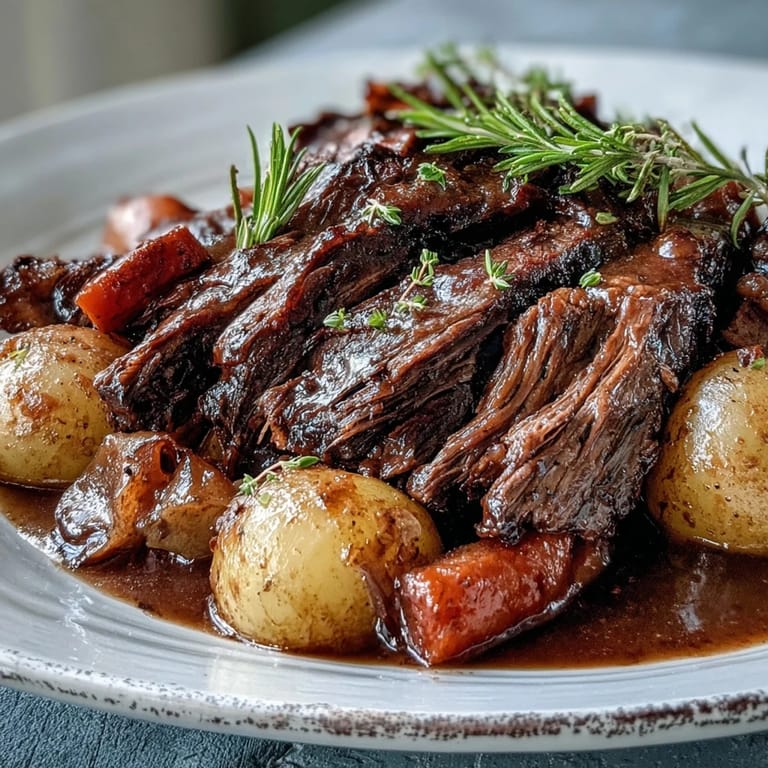
- Baby potatoes: They soak up the gravy like little sponges and stay creamy inside, making them the perfect side built right into the dish.
- Tomato paste: Cooking it for a minute or two deepens its flavor and adds a subtle sweetness and richness to the sauce.
- Dry red wine: It deglazes the pan and adds a layer of complexity, but you can swap it for extra beef broth if you prefer.
- Beef broth: Use low-sodium so you can control the saltiness, and make sure theres enough to come halfway up the roast.
- Worcestershire sauce: Just a teaspoon adds a savory umami boost that makes the whole dish taste more developed.
- Fresh rosemary and thyme: These herbs infuse the braising liquid with earthy, aromatic notes that make the kitchen smell incredible.
- Bay leaves: They add a subtle background flavor that ties everything together, just remember to fish them out before serving.
- Cornstarch slurry: Optional, but it turns the braising liquid into a thick, glossy gravy that clings to the beef and vegetables.
- Fresh parsley: A sprinkle at the end adds a pop of color and a hint of freshness to balance the richness.
Tired of Takeout? 🥡
Get 10 meals you can make faster than delivery arrives. Seriously.
One email. No spam. Unsubscribe anytime.
Instructions
- Prepare the oven and beef:
- Preheat your oven to 300°F if youre using it, then pat the roast completely dry with paper towels and season every side generously with salt and pepper. Dust it lightly with flour, shaking off any excess so it browns evenly without clumping.
- Sear the roast:
- Heat the oil and butter in your heaviest pot over medium-high heat until shimmering, then lay the roast in carefully and let it sear undisturbed for four to five minutes per side until deeply golden. Dont skip browning the edges, thats where all the flavor lives.
- Cook the aromatics:
- Remove the beef to a plate, lower the heat to medium, and add the onion wedges, stirring occasionally until they soften and turn golden. Toss in the garlic and cook just until fragrant, about thirty seconds, being careful not to let it burn.
- Build the braising liquid:
- Stir in the tomato paste and cook it for a minute or two until it darkens and smells sweet, then pour in the red wine and scrape up all those beautiful browned bits stuck to the bottom. Let it simmer for a couple minutes to reduce slightly, then add the beef broth, Worcestershire sauce, and herbs.
- Braise the beef:
- Nestle the roast back into the pot along with any juices, making sure the liquid comes about halfway up the meat. Bring it to a gentle simmer, cover tightly, and either reduce the heat to low or slide it into the oven for an hour and a half.
- Add the vegetables:
- After that first hour and a half, flip the roast over and tuck the carrots, celery, and potatoes around it, pushing them down into the liquid. Cover again and continue cooking for another hour and a half to two hours, until the beef is fork-tender and the vegetables are soft but not mushy.
- Finish the gravy:
- Transfer the beef and vegetables to a platter and tent with foil, then skim off any excess fat floating on the braising liquid. If you want a thicker gravy, bring the liquid to a simmer and whisk in the cornstarch slurry, cooking for two to three minutes until it thickens to your liking.
- Serve:
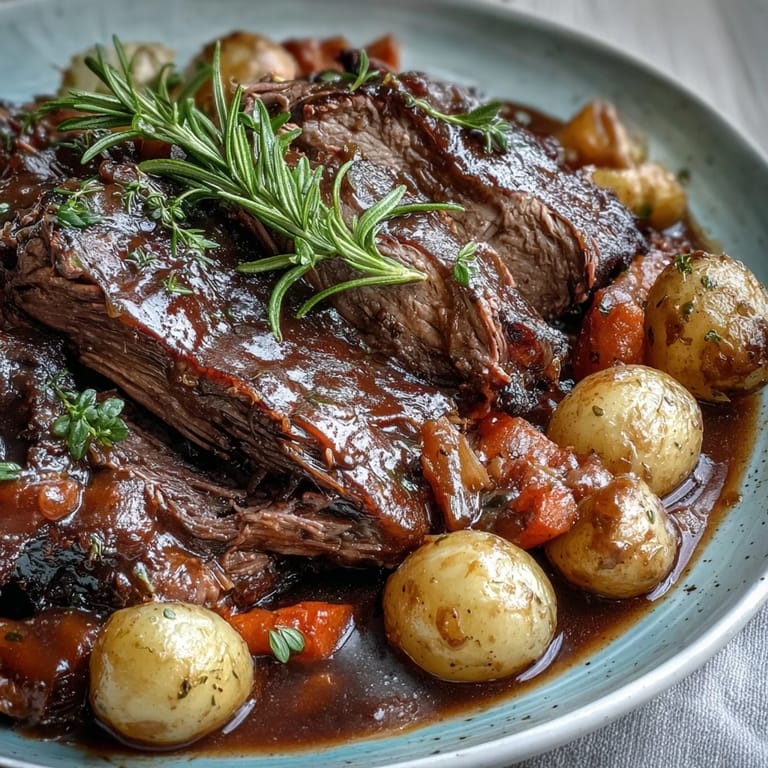
- Discard the herb stems and bay leaves, then shred the beef into big chunks or slice it against the grain. Arrange it over the vegetables, spoon that luscious gravy on top, and finish with a sprinkle of fresh parsley if you have it.
 Save
Save There was one Sunday when I made this for a group of friends who were all going through a rough patch, and we ended up sitting around the table for hours, soaking up gravy with bread and talking about everything and nothing. The pot roast wasnt fancy, but it felt like exactly what we all needed, something warm and filling and a little bit indulgent. One friend said it reminded her of her grandmothers cooking, which made me tear up a little because I think thats the highest compliment food can get. That night, the recipe stopped being just dinner and started feeling like a way to take care of people.
Choosing the Right Cut
Chuck roast is the classic choice because its marbled with fat that melts during the braise, keeping the meat juicy and tender. Blade roast works just as well and sometimes its a bit cheaper, so grab whichever looks best at the butcher counter. Avoid lean cuts like sirloin or round, they dry out during the long cooking time and wont give you that fall-apart texture. Look for a roast with visible white streaks of fat running through it, thats your insurance policy against tough, dry meat. If your roast is on the smaller side, just reduce the cooking time by thirty minutes or so and check for tenderness with a fork.
Slow Cooker and Make-Ahead Tips
If youre using a slow cooker, sear the beef and cook the aromatics on the stove first, then transfer everything to the slow cooker and set it on low for eight to ten hours. Add the vegetables halfway through if you want them to hold their shape, or toss them in at the start if you like them really soft and almost melting. This dish actually tastes better the next day after the flavors have had time to meld, so I often make it on Saturday and reheat it gently on Sunday. Store the beef and vegetables in the gravy so they stay moist, and reheat everything together in a covered pot over low heat. You can also freeze leftovers for up to three months, just thaw overnight in the fridge and reheat slowly on the stove.
Serving Suggestions and Leftovers
Pot roast is one of those meals that invites you to soak up every drop of gravy, so serve it with something that can do the job. Crusty bread, buttered egg noodles, or creamy mashed potatoes are all perfect, and a simple green salad on the side cuts through the richness. Leftovers are a gift, shred the beef and pile it onto crusty rolls for French dip sandwiches, or toss it with tortillas and pickled onions for quick tacos. You can also serve it over rice, polenta, or even mashed cauliflower if youre going low-carb.
- Reheat leftovers gently with a splash of broth to keep everything moist and prevent the beef from drying out.
- If the gravy thickens too much in the fridge, thin it with a bit of water or broth when you reheat.
- Save any extra gravy in a jar, its incredible drizzled over roasted vegetables or stirred into soup.
 Save
Save Every time I make this pot roast, I remember that cooking doesnt have to be complicated to be meaningful. Its just beef, vegetables, and time, but somehow it turns into something that feels like home.
Recipe FAQs
- → What cut of beef works best for pot roast?
Chuck roast or blade roast are ideal choices because their generous marbling breaks down during slow cooking, creating incredibly tender, succulent meat that falls apart easily.
- → How long should I cook a pot roast?
Plan for 3 to 3½ hours total—the beef needs 1½ hours alone before adding vegetables, then another 1½ to 2 hours until everything is fork-tender.
- → Can I make this in a slow cooker?
Absolutely. After searing the beef and aromatics, transfer everything to your slow cooker and cook on low for 8–10 hours or high for 5–6 hours.
- → What vegetables go well with pot roast?
Classic additions include carrots, celery, potatoes, and onions—these root vegetables absorb the savory braising liquid while maintaining their shape.
- → How do I get a thicker gravy?
Simmer the braising liquid after cooking and whisk in a cornstarch slurry, or simply reduce it over medium heat until it reaches your desired consistency.
- → Does the flavor improve over time?
Leftovers taste even better the next day as the flavors continue to meld, making it perfect for meal prep or sandwiches.