 Save
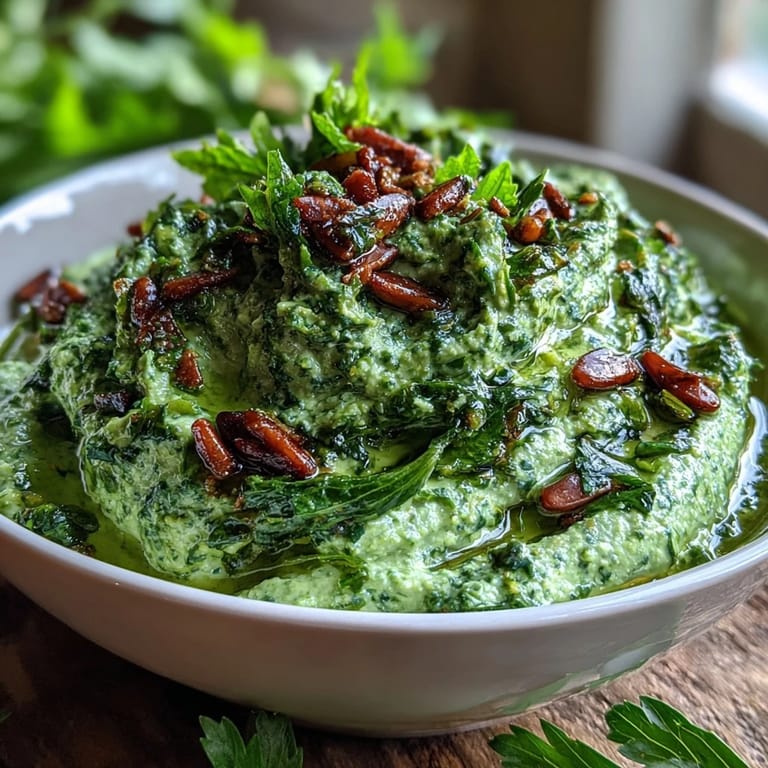
Save My neighbor Maria handed me a bundle of dandelion greens from her yard one spring morning, insisting they were too good to waste on salads alone. I stood in my kitchen holding these peppery leaves, skeptical but curious, and decided to transform them into something bold. That first batch of dandelion pesto came together almost by accident, toasted pine nuts crackling as they cooled, and when I tasted it on warm bread, something clicked—this wasn't just a condiment, it was a moment of discovery.
I brought a jar of this pesto to a dinner party last summer, not sure how people would react to something so green and unfamiliar. My friend David spread it on crostini, took one bite, and immediately asked for the recipe—then proceeded to eat half the batch before dinner even started. Watching someone discover something you made, especially something unconventional, reminds you why cooking for others matters so much.
Ingredients
- Fresh dandelion greens: These are the star, and their slight bitterness is what makes this pesto memorable; if they're too assertive for your taste, blanching them first mellows them out beautifully.
- Fresh basil: Optional but helpful if you want to soften the dandelion's edge without losing character.
- Pine nuts: They must be toasted to bring out their buttery sweetness, which balances the greens perfectly; walnuts or almonds work if pine nuts aren't available or feel too expensive.
- Parmesan cheese: Freshly grated makes a difference in both texture and flavor; pecorino adds a sharper bite if you want more punch.
- Garlic: Two cloves is enough to add depth without overwhelming the delicate, grassy flavors.
- Extra-virgin olive oil: This deserves to be good quality since it's a main component; it carries all the other flavors forward.
- Lemon juice: It brightens everything and prevents the pesto from tasting heavy.
- Salt and pepper: Taste as you go because dandelion greens vary in intensity depending on where they came from and how old they are.
Tired of Takeout? 🥡
Get 10 meals you can make faster than delivery arrives. Seriously.
One email. No spam. Unsubscribe anytime.
Instructions
- Toast the pine nuts gently:
- Place them in a dry skillet over medium heat, stirring constantly for about 2 to 3 minutes until they turn golden and smell absolutely incredible. This step takes just moments but transforms them from bland to nutty and rich.
- Build the base in your food processor:
- Add the dandelion greens, basil if you're using it, garlic, toasted pine nuts, and Parmesan all together, then pulse until everything is finely chopped but not yet a paste. You want to see the ingredients breaking down, which is when you know it's ready for the oil.
- Stream in the oil slowly:
- With the processor running, pour in the olive oil and lemon juice gradually while blending, which emulsifies everything into a silky sauce. Scrape down the sides as needed so nothing hides at the bottom.
- Taste and adjust with intention:
- Add salt and pepper, pulse to combine, then taste on a small piece of bread or your finger to see if it needs more lemon, salt, or even a touch more oil for looseness. This moment of tasting is when you make it truly yours.
- Transfer and store properly:
- Spoon the finished pesto into a clean jar or bowl, and if you're not using it right away, smooth the top and cover it tightly in the refrigerator where it keeps for up to a week.
 Save
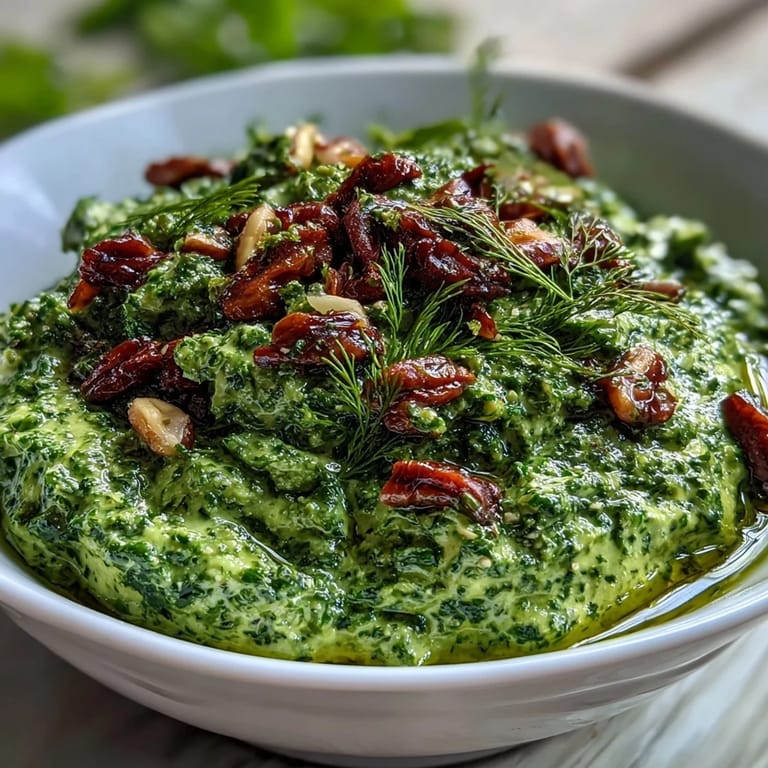
Save My daughter, who normally turns her nose up at anything green, surprised me by asking for this pesto on her pasta three nights in a row. What started as a way to use wild greens became something we looked forward to making together when spring rolled around again. That's when you know a recipe has moved beyond technique into something with real meaning.
When Dandelion Greens Feel Too Bitter
Not all dandelion greens are created equal—some taste pleasantly peppery while others hit your tongue like green electricity. If you've picked them yourself or bought them and they taste aggressively bitter, try blanching them for just 30 seconds in boiling salted water, then drain and cool them completely before using. This softens their edge without erasing their character, and you'll end up with a pesto that's bold but not confrontational.
Ways to Use This Beyond Pasta
The first time I made this, I thought pesto meant pasta, but I've since learned it's so much more versatile than that. Spread it on warm toast with a soft egg, stir it into roasted vegetables so they taste garden-fresh, dollop it onto soup, or use it as a dip for raw vegetables and bread at a casual gathering. My favorite discovery was swirling it into cottage cheese as a quick lunch that feels somehow elegant despite taking two minutes.
Storing and Making It Ahead
Dandelion pesto keeps well in the refrigerator for up to a week, and I often make a double batch when the greens are at their peak so I have it ready for spontaneous meals. The flavor deepens slightly as it sits, which isn't always true with basil pesto, so don't be surprised if day three tastes even better than day one. You can also freeze it in small portions using an ice cube tray—pop out a cube whenever you want to brighten something up, though the texture will be slightly softer after thawing.
- Store pesto in an airtight jar, pressing plastic wrap directly onto the surface to minimize oxidation.
- If it separates slightly in the refrigerator, just give it a quick stir before using.
- Bring it to room temperature for 10 minutes before using if you've pulled it straight from cold storage, so the flavors wake up fully.
 Save
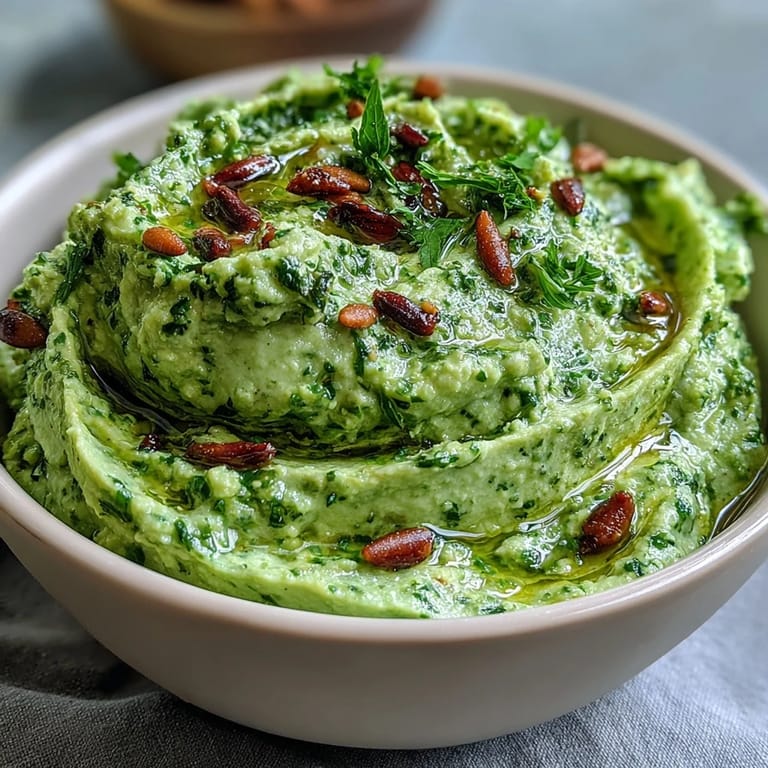
Save This pesto taught me that the best recipes often come from working with what's in front of you rather than what a cookbook tells you to buy. Make it, taste it, adjust it until it feels right to you, and it becomes something more than just a recipe—it becomes your recipe.
Recipe FAQs
- → Can I substitute pine nuts in this sauce?
Yes, walnuts or almonds can be used instead of pine nuts to offer different but complementary flavors and textures.
- → How do I reduce bitterness in dandelion greens?
Blanch the dandelion greens quickly in boiling water, then drain and cool them before blending to mellow their bitterness.
- → Is there a dairy-free alternative for the cheese?
For a vegan or dairy-free option, omit the cheese or use nutritional yeast which adds a similar savory note.
- → What dishes pair well with this herb blend?
This herbaceous blend complements pasta dishes beautifully, spreads well on toast, and adds a bright touch to roasted vegetables.
- → How long can the sauce be stored?
Store in an airtight container refrigerated for up to one week while maintaining freshness and flavor.