 Save
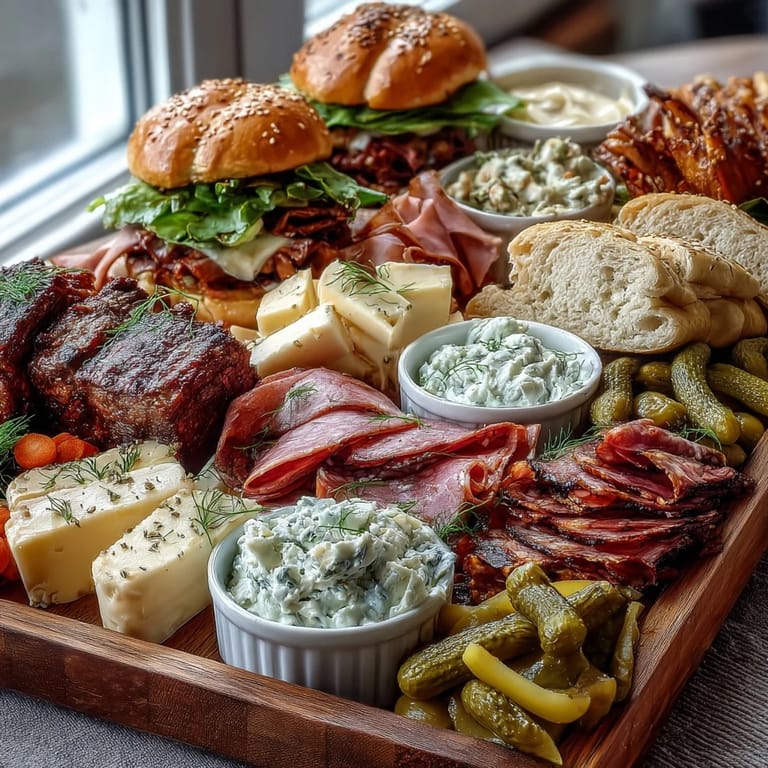
Save My sister called me in a panic two hours before her garden party, asking if I could handle feeding thirty people without turning my kitchen into a disaster zone. Instead of stress, I saw opportunity—a sandwich board became my answer, and watching guests build exactly what they craved while I actually got to enjoy the afternoon transformed how I think about entertaining. There's something magical about setting out a spread and letting people become the architects of their own meal.
I still laugh thinking about my neighbor Tom, who arranged his sandwich like he was building a structural engineering project—perfectly symmetrical layers, measured spreads, vegetables in ascending order of color. Meanwhile his ten-year-old daughter stacked everything chaotically and declared it the best sandwich she'd ever made. That's when I realized this board succeeds not because of what's on it, but because it gives everyone permission to eat exactly how they want.
Ingredients
- Ciabatta rolls: Their airy crumb and crispy crust hold up to moisture without getting soggy, plus they feel a little fancier than standard sandwich bread.
- Whole grain sandwich rolls: The nutty flavor appeals to health-conscious guests, and the sturdier texture handles heavy toppings beautifully.
- Sourdough bread: Its slight tang complements salty deli meats, and thicker slices prevent the board from looking sad and flimsy.
- Smoked turkey breast: Mild, versatile, and it's the one meat everyone feels good about eating—a crowd-pleaser that offends no one.
- Honey ham: Slightly sweet undertone that plays well with mustards and adds familiar comfort to the spread.
- Roast beef: For the guests who want something heartier and more sophisticated than standard deli offerings.
- Salami: A little goes a long way with its bold flavor, giving adventurous eaters something to grab while timid ones stay comfortable.
- Swiss, cheddar, and provolone cheeses: Three distinct personalities—mild and Swiss is neutral, cheddar brings tang, provolone adds a smoky richness—so every preference finds a home.
- Fresh tomatoes: Choose ones that aren't mealy or pale, since they're doing real work here holding the whole thing together with their moisture and acid.
- Cucumber: Its cool crunch and mild flavor balance rich meats and cuts through mayo without competing.
- Red onion: Slice it thin so it doesn't overpower, but don't skip it—it's the quiet brightness that makes people wonder what makes their sandwich taste so good.
- Romaine lettuce: Sturdy enough not to wilt instantly under condiments, and the leaves are substantial enough for actual structural support.
- Baby spinach: For guests wanting greens without iceberg lettuce's watery blandness.
- Avocado: Slice it just before assembling and you'll avoid that sad brown oxidation that makes a board look neglected.
- Dill pickle slices: Their vinegary punch is non-negotiable for anyone who thinks a sandwich needs acid and attitude.
- Mayonnaise: The creamy neutral base that everyone defaults to, even if they won't admit they're avoiding mustard.
- Dijon mustard: For guests with actual flavor opinions; it's sophisticated without being pretentious.
- Hummus: A plant-based option that impresses vegetarians and proves you thought about them before they asked.
- Pesto: A little bit transforms a simple sandwich into something that tastes intentional and delicious.
- Honey mustard: The bridge between bold mustard and sweet sensibilities, beloved by people who don't want to choose a lane.
- Black olives: That briny, umami element that makes someone take an extra sandwich because they can't quite describe what's making it work.
- Banana pepper rings: Milder than jalapeños but with actual personality—they're your secret weapon for adding interest without heat.
- Sun-dried tomatoes: Concentrated tomato flavor in a compact form that won't make bread soggy, though a little restraint is wise since they're intense.
Tired of Takeout? 🥡
Get 10 meals you can make faster than delivery arrives. Seriously.
One email. No spam. Unsubscribe anytime.
Instructions
- Arrange your breads with intention:
- Lay them across your board in gentle clusters rather than perfect rows—it looks more inviting and makes grabbing one feel less like following instructions. Mix the bread types so people encounter variety naturally as they reach.
- Create distinct meat and cheese zones:
- Group them loosely by color and weight, so a pale turkey and vibrant salami sit near each other, and cheeses catch light in an appetizing way. Stack them in slight overlaps rather than perfect single layers, which looks more generous and abundant.
- Fill small bowls with your spreads:
- This prevents double-dipping panic and keeps everything pristine throughout the event. Arrange them near the breads so people naturally encounter spreads when they're actually ready to build.
- Distribute vegetables across open spaces:
- Don't cram everything into corners—let cucumbers, tomatoes, and lettuce breathe across the board so there's no sad empty gaps but also room to see the beautiful variety. Slice everything just before guests arrive so nothing oxidizes or wilts.
- Position pickles, olives, and extras strategically:
- These are your flavor accelerators, so tuck them where eyes naturally travel last—this prevents someone from loading up on olives and forgetting the actual sandwich foundation. A little visual discovery makes people feel clever for finding them.
- Keep everything cold and protected until serving:
- If you're transporting to a picnic, wrap components separately in containers and reassemble on-site so nothing sweats or gets crushed. The moment guests arrive is when the board comes alive, so timing matters more than perfection.
 Save
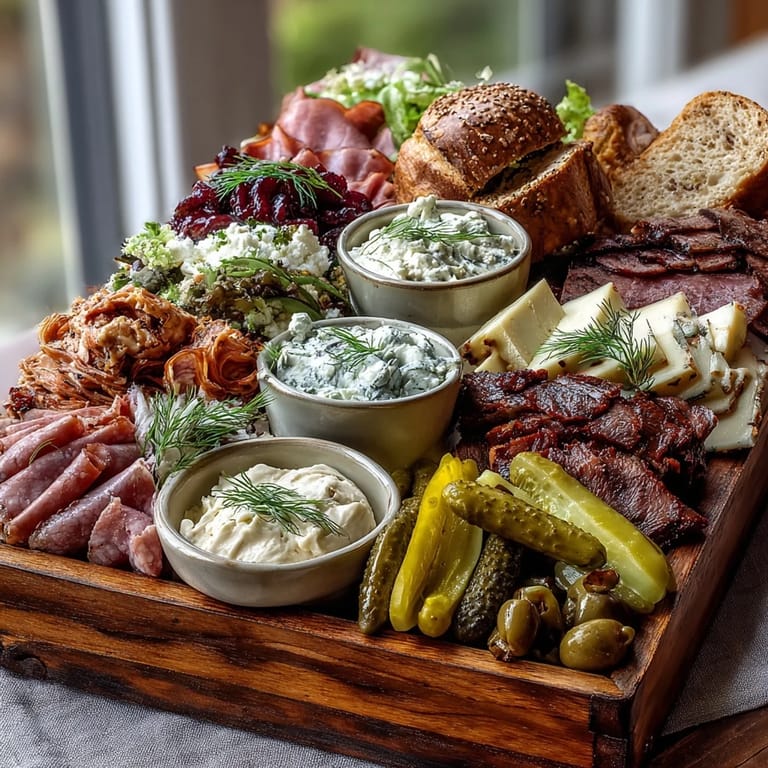
Save What surprised me most was watching my grandmother—someone who usually picks apart every meal—grab a ciabatta roll, load it deliberately with roast beef, Swiss, tomato, and pesto, then sit quietly eating it like she'd discovered something profound. Later she asked for the pesto brand and told me this was better than anything at the fancy sandwich shop downtown. That moment made me understand this board wasn't really about the ingredients at all.
The Secret Power of Customization
People eat more adventurously when they feel in control of their food. Someone who'd never order a sandwich with hummus and spinach will happily build one when the option sits in front of them unthreatening and judgment-free. This board creates permission—to skip the salami, double the cheese, try three different mustards, or make something completely weird that somehow works. That's why guests never feel guilty about seconds.
Timing and Temperature Matter More Than You Think
The difference between a board that sings and one that disappoints comes down to cold ingredients and fresh bread. Chill your meats and cheeses for at least an hour before assembling, and slice vegetables no more than two hours ahead. Bread should be fresh enough that you can taste it—a day-old sourdough is acceptable, but three-day-old bread tastes like cardboard no matter what sits on top of it. The contrast between cool ingredients and room-temperature bread creates the texture that makes people reach for another sandwich.
Building Your Board Like a Pro
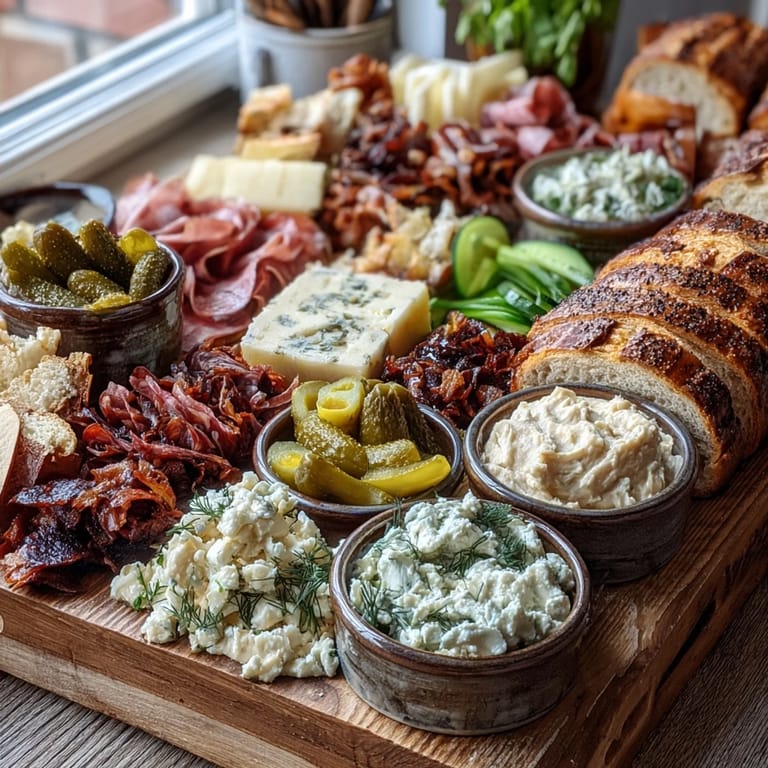
The most successful boards feel abundant without being crowded, organized without being precious, and visually interesting without requiring artistic talent. Think in terms of color balance and weight distribution rather than perfect symmetry—a cluster of pale meats needs dark olives and bright tomatoes nearby, and heavy spreads should anchor different areas so guests can navigate intuitively. Start with your largest items (breads, then meats, then cheeses), then fill gaps with vegetables, then tuck your flavor accelerators (pickles, olives, sun-dried tomatoes) into remaining spaces.
- Odd numbers of items create visual interest—three cheeses looks more intentional than two or four.
- Leave some negative space so the board breathes and people can actually see what they're choosing from without feeling overwhelmed.
- Place spreads and condiments closest to where breads end and building begins, so the logical journey from bread to toppings to finish feels natural.
 Save
Save This board taught me that the best entertaining happens when you step back and let people feed themselves—literally and figuratively. You've created the canvas; now watch them paint their own story.
Recipe FAQs
- → What breads work best for a deli sandwich board?
Variety is key: ciabatta rolls, sourdough slices, and whole grain rolls provide different textures and flavors for layering.
- → How should deli meats be prepared for serving?
Slice deli meats thinly and arrange them neatly in separate sections to keep flavors distinct and visually appealing.
- → What spreads complement deli sandwich ingredients well?
Mayonnaise, Dijon mustard, hummus, pesto, and honey mustard add creamy, tangy, and savory notes to balance meats and cheeses.
- → How can I include vegetarian options on the board?
Offer grilled vegetables, sliced hard-boiled eggs, or plant-based deli slices alongside fresh greens and spreads for variety.
- → What side dishes pair nicely with a deli sandwich board?
Chips, fresh fruit, or pasta salad complement the sandwich board, adding more texture and flavor to the meal.